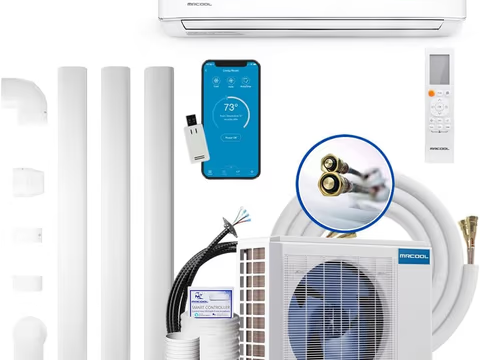
Best efficiency
Mini-splitENERGY STAR
MRCOOL DIY 4th Gen 12K
Cooling
12,000 BTU
Covers
500 ft²
Efficiency
22 SEER2
Noise
32 dB
$1099 est.
typical retail priceUtah is high-desert dry heat: Salt Lake City, Provo, and especially St. George run hot and sunny through a long summer, with triple digits common in the south and the Wasatch Front baking under intense sun. Low humidity changes the equipment math, and cheap power keeps running costs down.
Updated June 2026
Like the rest of the desert Southwest, prioritize high-temperature performance (EER and max operating temp) over seasonal averages, and let sun exposure drive sizing. Utah's dry air makes evaporative coolers viable in the shoulder months, but the long, hot Wasatch summer needs real refrigerant cooling at the peak.
Estimated at Utah's average residential rate (~12¢/kWh, approximate) and 8 hours/day. "Per season" assumes 5 cooling months. Your utility rate and usage will vary.
| Unit | Efficiency | Est. / month | Est. / season |
|---|---|---|---|
| Senville LETO SENL-12CD Mini-split | 21.2SEER2 | $18 | $90 |
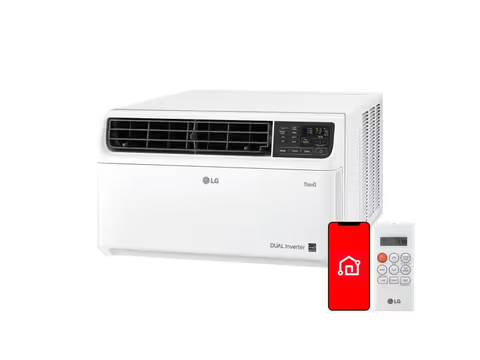
| LG Dual Inverter LW1022IVSM Window | 15CEER | $18 | $90 |
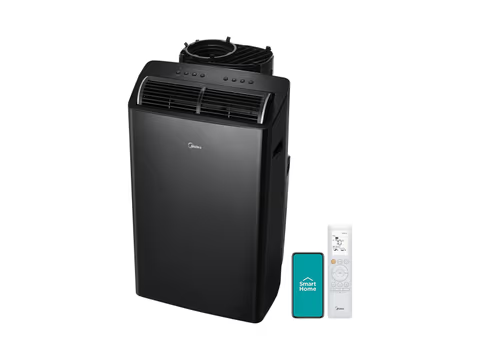
| BLACK+DECKER BPACT14WT Portable | 6.1CEER | $63 | $315 |
Use the Hot & Dry zone (about 8% above baseline). A 300 ft² room lands near 6,500–7,000 BTU; a west-facing, sun-exposed Wasatch Front room should size up.
For the dry shoulder months an evaporative cooler cools cheaply; for the hot core of summer, a standard or inverter AC sized for the desert heat — and rated for high operating temperatures — is the reliable choice.
At ~11.5¢/kWh — among the cheaper rates on this list — an efficient 12,000 BTU unit runs about $20–28/month over a long 5-month desert season.
Electricity rates are approximate state averages; check your utility bill for your exact rate.