HVAC Pulse
What's happening right now in heating, cooling, refrigerants, and efficiency — aggregated from public sources, classified by topic, with every item linking back to the original.
Heat Pump Policy Gains, CA Permitting Reform, and Fall HVAC Prep: Week of Sept 21, 2026
**Heat pumps dominated the week's news.** Massachusetts expanded winter electricity discounts for heat pump households, lowering seasonal operating costs for early adopters. Meanwhile, California moved to streamline permitting for heat pumps and solar, reducing installation red tape that has long frustrated contractors. On the equipment side, heat-pump water heaters continue to improve in efficiency and cold-climate performance, making them an increasingly practical upgrade for most homes.
For contractors and homeowners in hot climates, Arizona's fall HVAC checklist offers a timely reminder to service heating systems, water heaters, and cooling equipment before temperatures swing. Rounding out the week, Massachusetts also raised winter heat pump rate incentives, signaling growing state-level commitment to electrified heating as a grid management tool.

Led Replacement Hvac Control 2000 Silverado Driver Seat Replacement Bottom Cover For 10 - 14 Chevy Silverado GMC Sierra Tahoe Rezdhlzcwfbfu0jd C Controller
roarmag.org · 0m ago









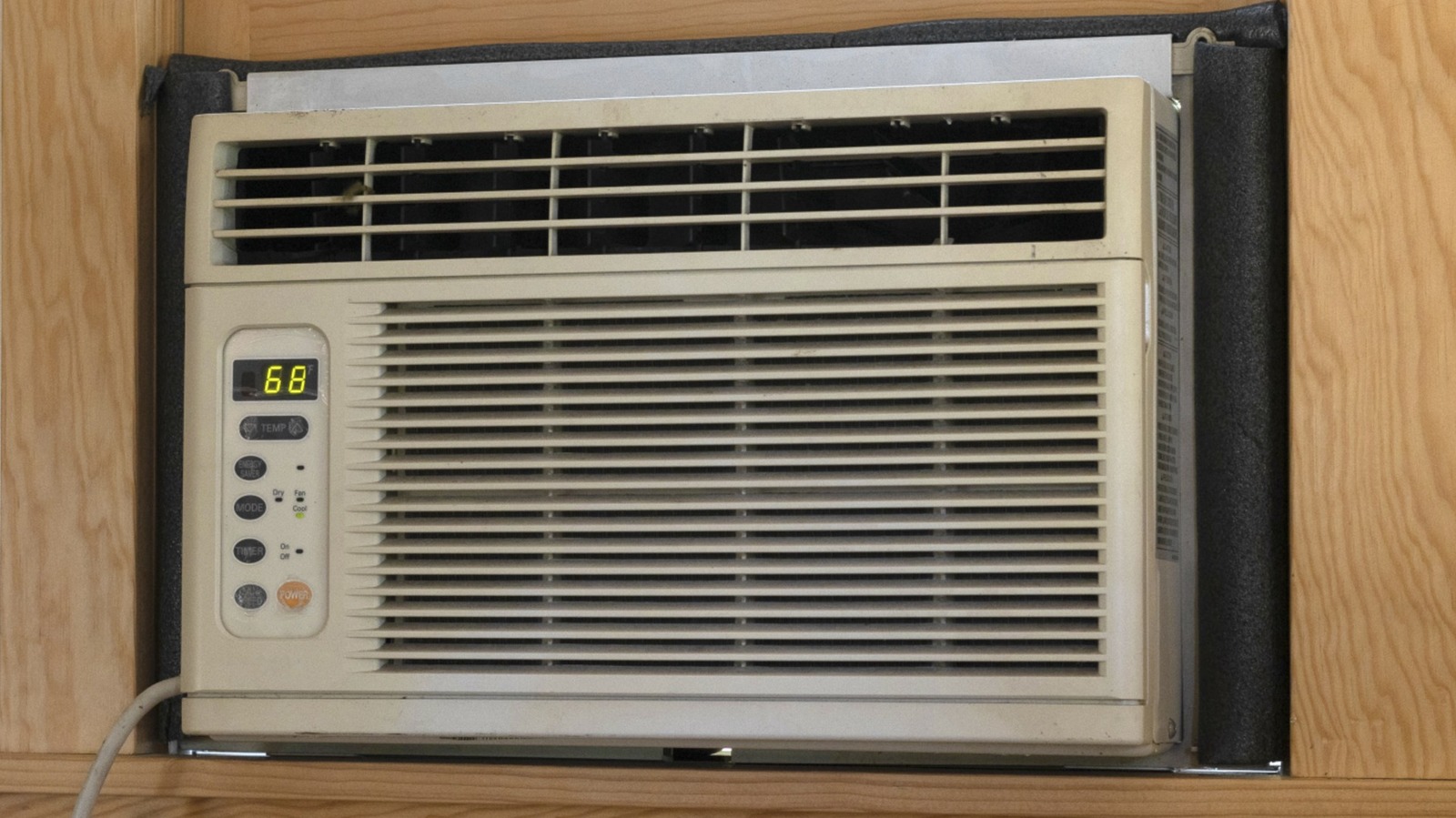


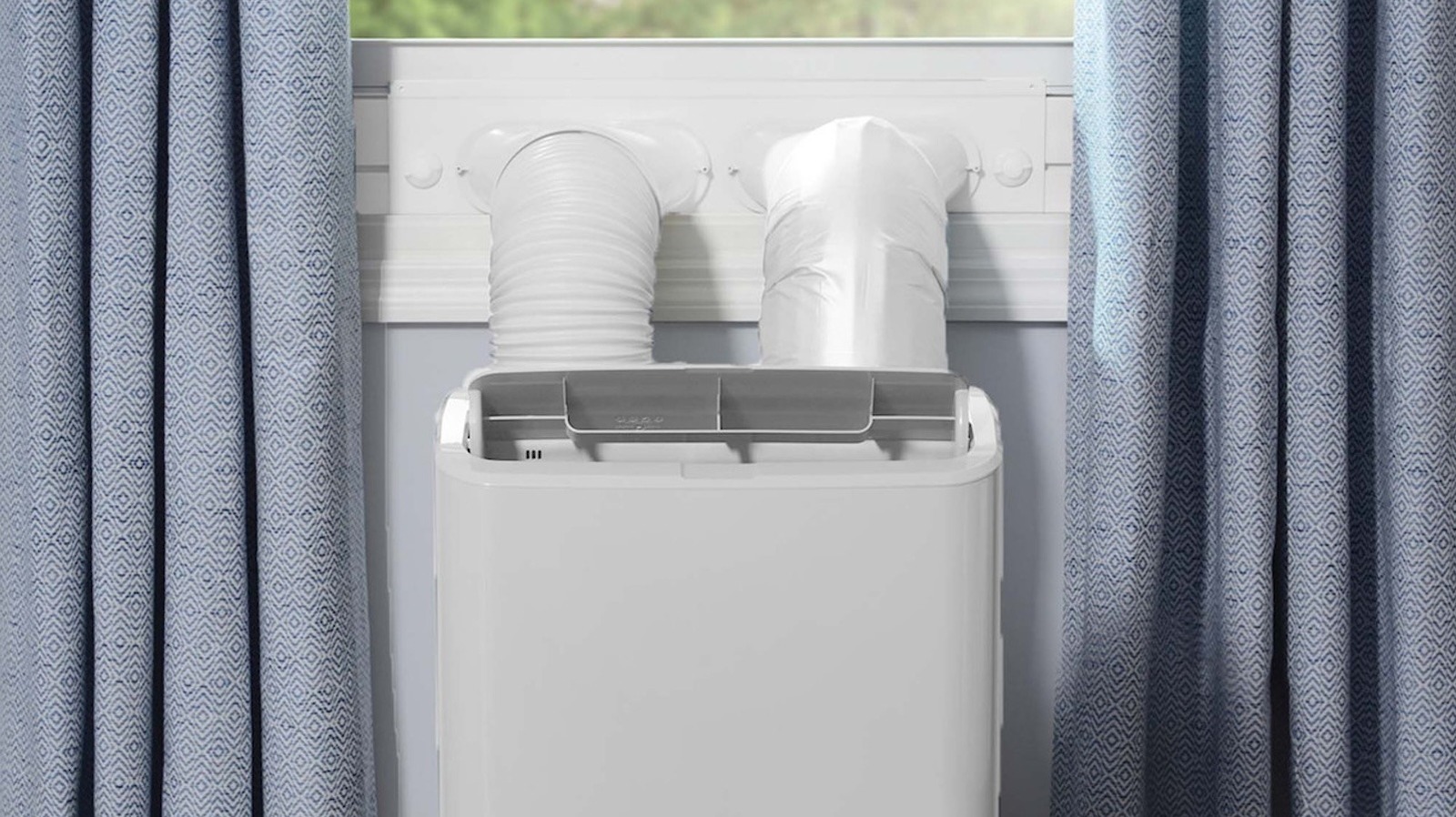
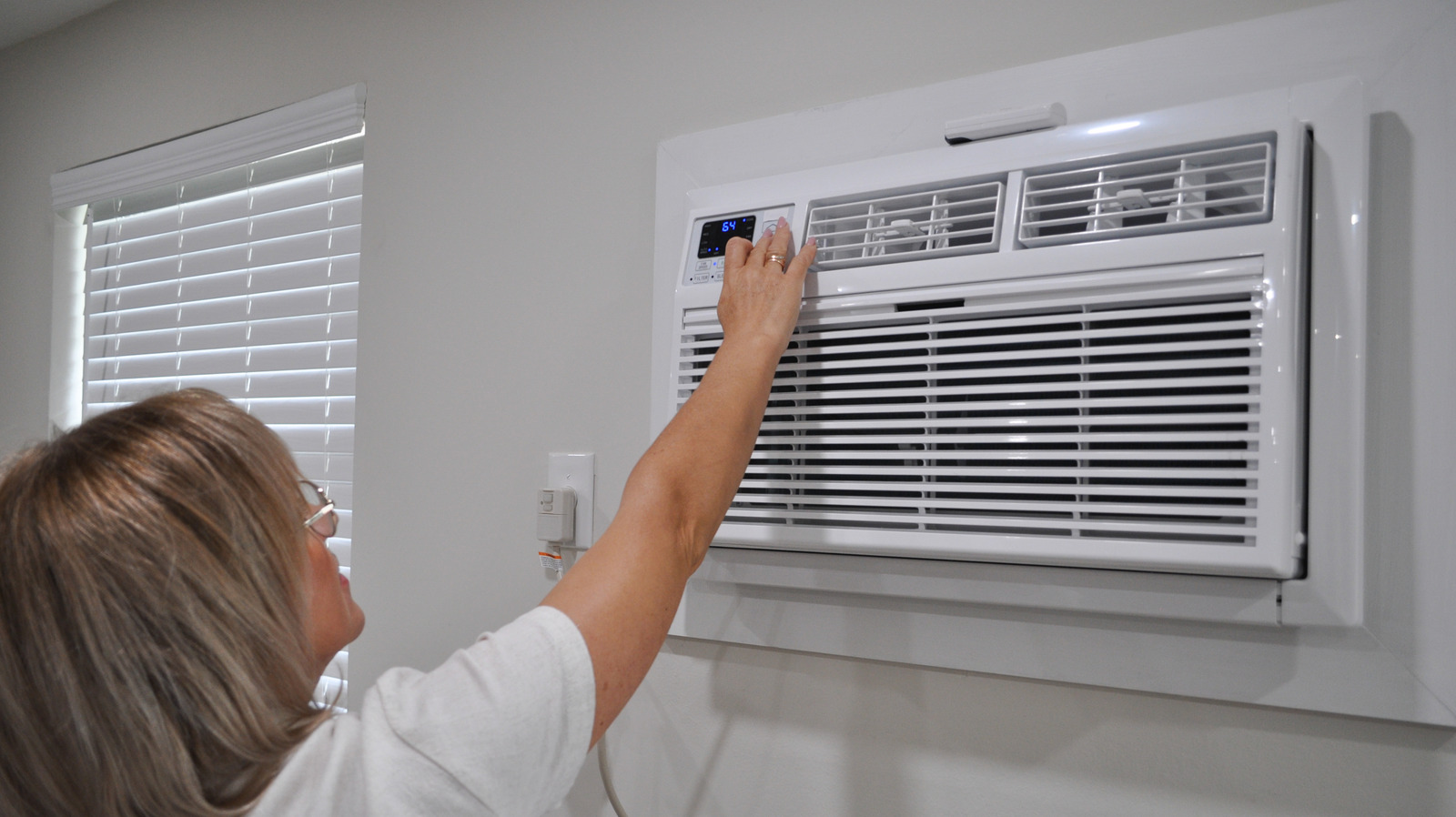





















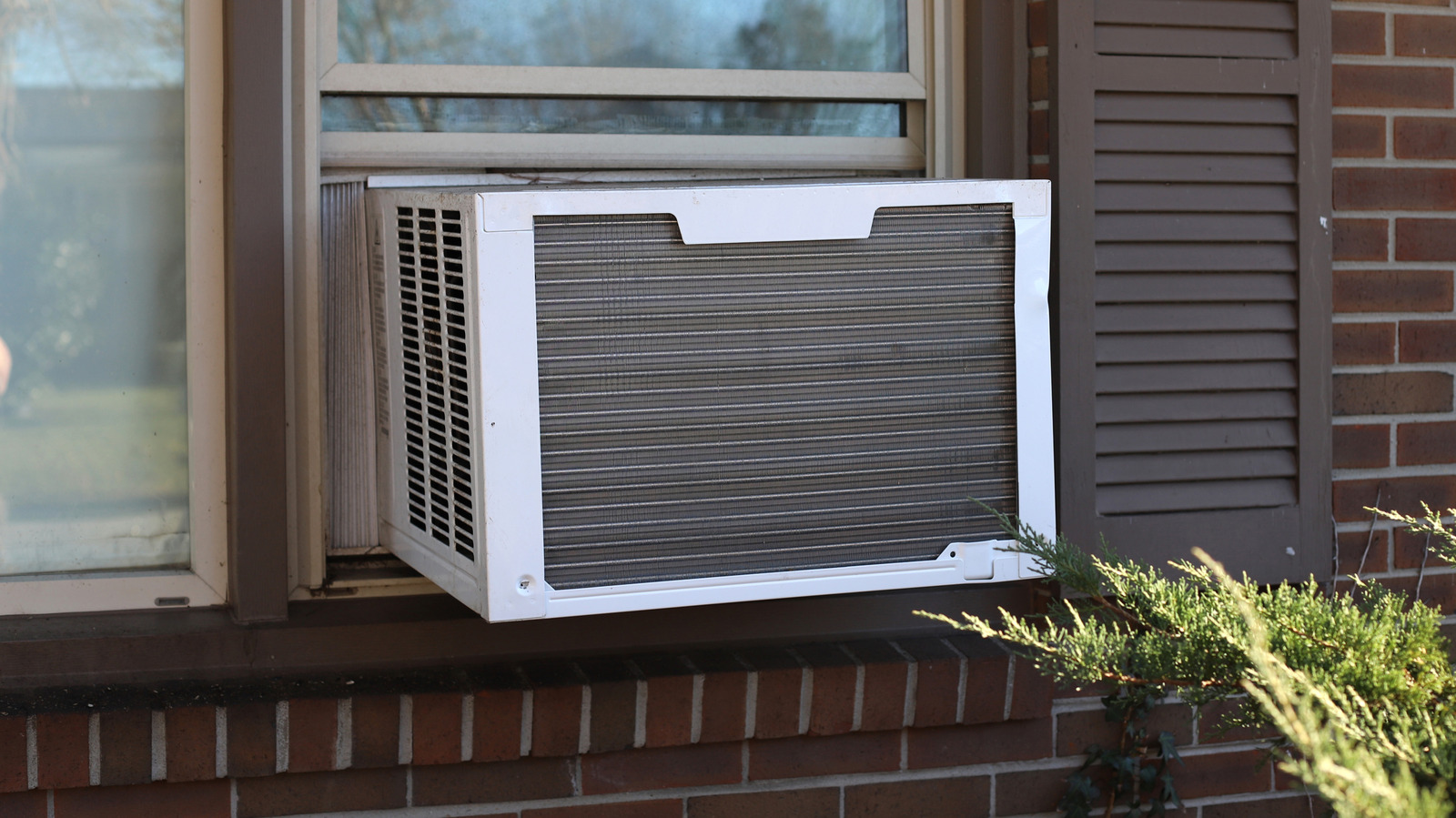













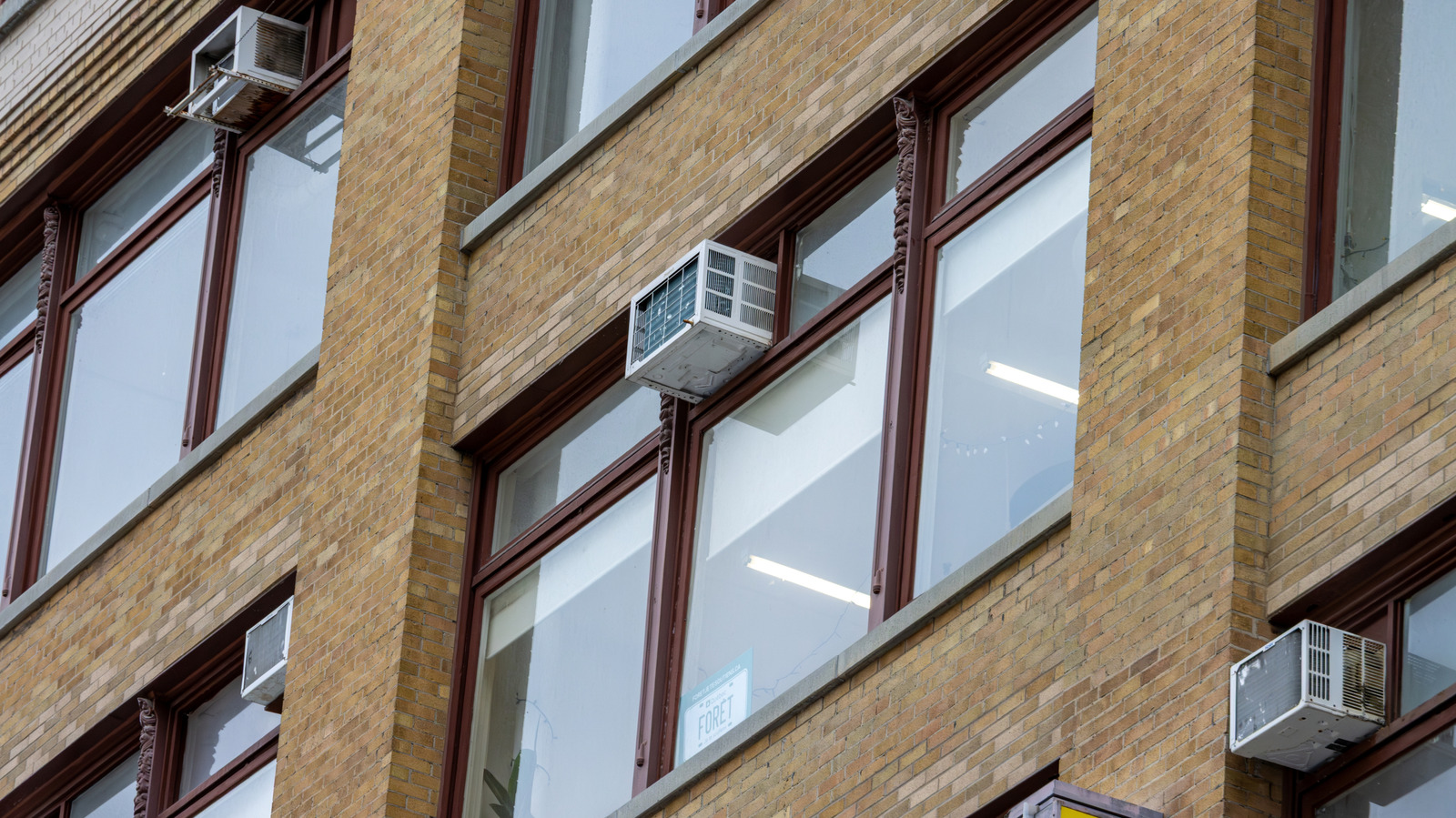









Friedrich is recalling KÜHL window air conditioners because a faulty control board can overheat and cause fires or burns.
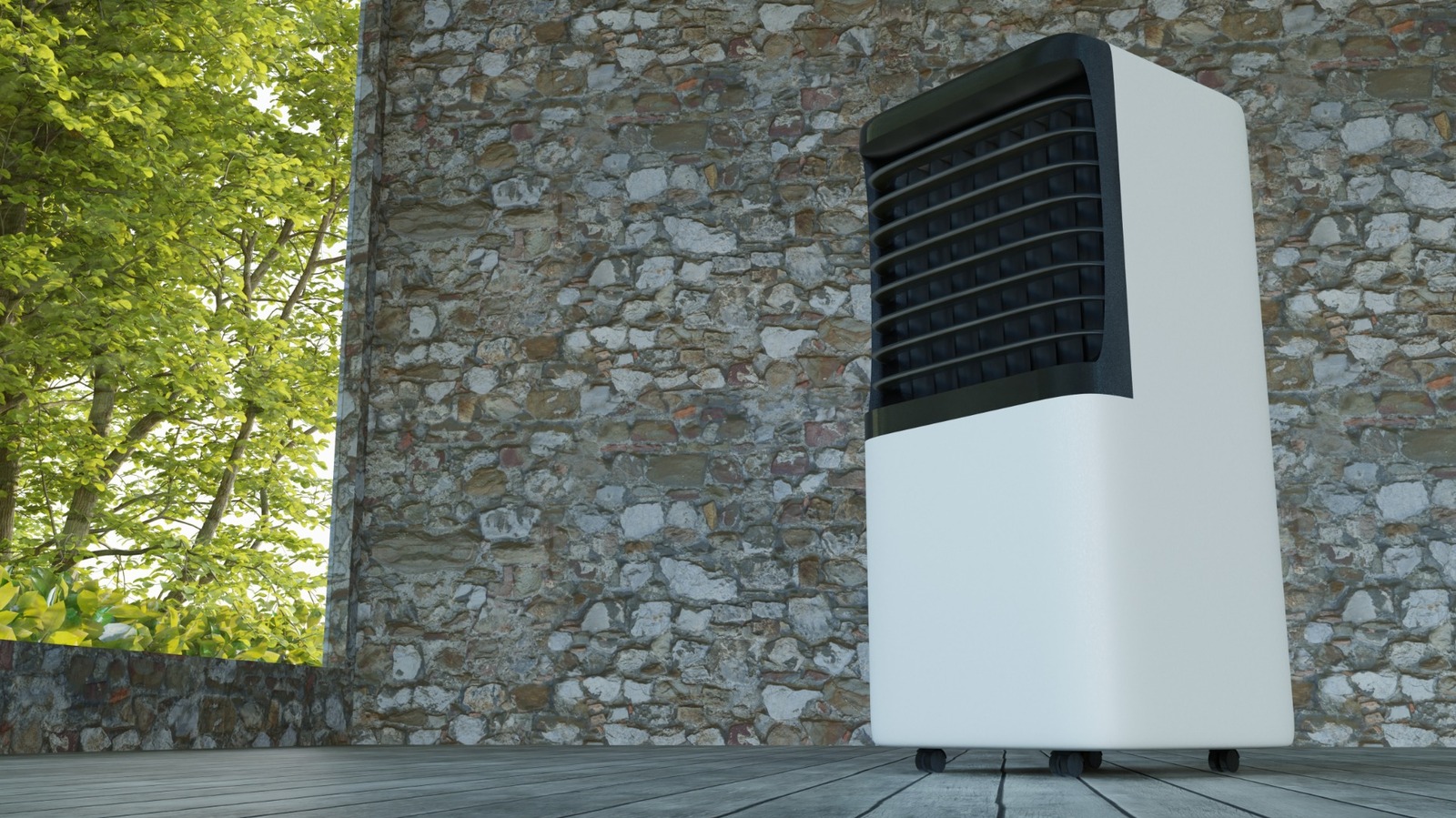
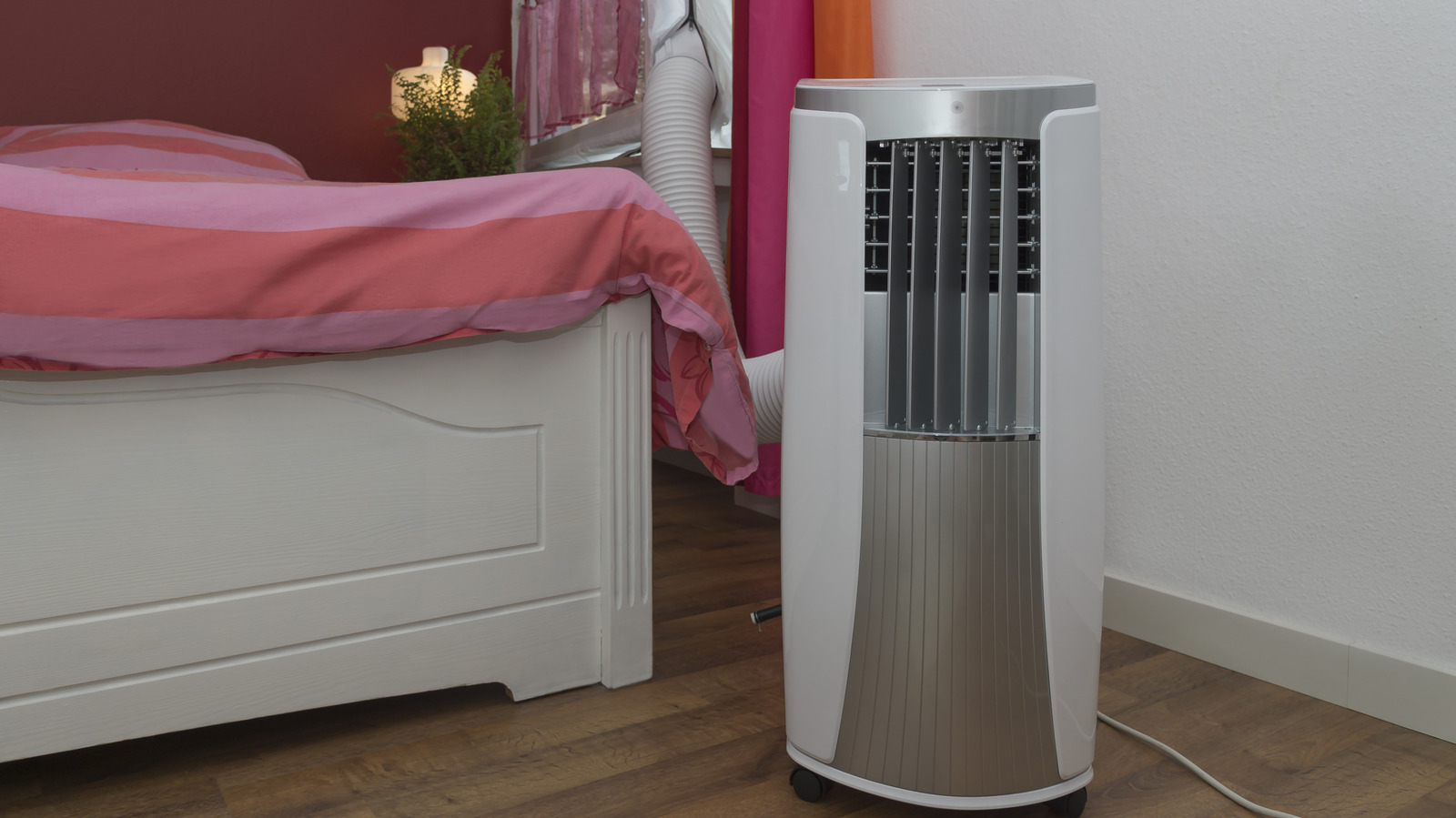
Friedrich is recalling KÜHL window air conditioners because a faulty control board in the motor can overheat, creating fire and burn risks.
Amana through-wall air conditioners and heat pumps are recalled because a faulty electrical component can catch fire, creating a serious burn hazard.
Amana through-wall air conditioners and heat pumps are being recalled because a faulty internal circuit component can catch fire and cause serious injury.
Certain Airedale heat pump ventilation fans may catch fire if water reaches the motor circuit board, requiring immediate inspection and potential replacement.
Certain Amana air conditioners and heat pumps may retain electrical power in the heating element during a ground fault even when switched off, creating fire and burn hazards.
Trane is recalling certain gas/electric packaged units because a defective fuel gas valve may open unexpectedly, creating a gas leak and fire risk.
Manufacturers must use updated industry test standards to measure central air conditioner and heat pump efficiency for federal compliance.
Oil, electric, and gas furnaces must meet updated federal efficiency standards to reduce energy consumption and operating costs.
New efficiency standards require furnace fan motors to meet minimum energy performance levels set by the Department of Energy.