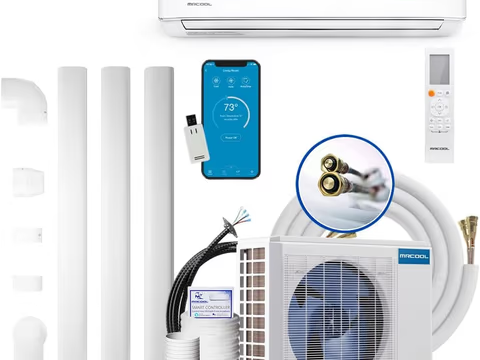
Best efficiency
Mini-splitENERGY STAR
MRCOOL DIY 4th Gen 12K
Cooling
12,000 BTU
Covers
500 ft²
Efficiency
22 SEER2
Noise
32 dB
$1099 est.
typical retail priceWyoming is high, cool, and dry: Cheyenne, Casper, and the high plains see hot, dry afternoons in summer, but altitude and very cool nights keep the cooling season short and mild. It's one of the lowest AC-use states in the country, though hot, dry July stretches still warrant a unit in the warmest valleys.
Updated June 2026
High altitude, dry air, and cool nights mean most Wyoming homes need cooling only for the hottest afternoons — a single efficient unit or a heat-pump mini-split is plenty, and the mini-split earns its keep against the long, cold winter. Intense high-altitude sun makes sun exposure the biggest sizing factor; cheap power keeps running costs minimal.
Estimated at Wyoming's average residential rate (~12¢/kWh, approximate) and 8 hours/day. "Per season" assumes 3 cooling months. Your utility rate and usage will vary.
| Unit | Efficiency | Est. / month | Est. / season |
|---|---|---|---|
| Senville LETO SENL-12CD Mini-split | 21.2SEER2 | $19 | $57 |
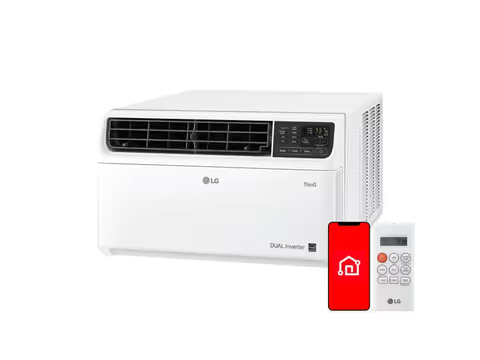
| LG Dual Inverter LW1022IVSM Window | 15CEER | $19 | $57 |
| BLACK+DECKER BPACT14WT Portable | 6.1CEER | $66 | $198 |
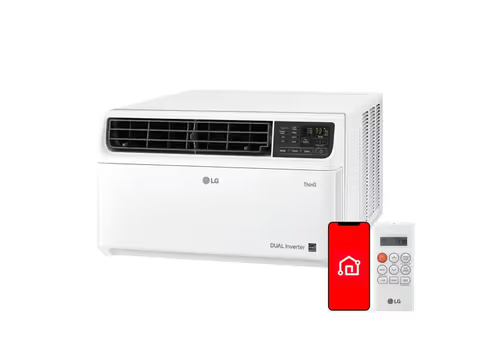
Use the Cool North zone and weigh sun exposure heavily — the thin, high-altitude air and intense sun matter more than raw square footage. A 300 ft² room lands near 6,000–6,800 BTU, more for a sun-blasted west-facing room.
Often only for the hottest summer afternoons — high altitude and cool nights let most homes coast. But hot, dry July stretches in Cheyenne and Casper make an efficient unit worthwhile, and a heat-pump mini-split also handles the long winter.
At ~12¢/kWh and a short season, an efficient 12,000 BTU unit runs about $18–25/month when running — among the lowest annual cooling costs in the country.
Electricity rates are approximate state averages; check your utility bill for your exact rate.